NEED TO KNOW
Nepal Police’s Central Investigation Bureau reportedly found that some Mount Everest guides have been "poisoning" climbers as part of a scam that generated $20 million in insurance fraud
On March 12, 32 guides were charged in connection with the scheme, which authorities say impacted 4,782 international climbers between 2022 and 2025
The scam was initially uncovered in 2018, but authorities re-opened their investigation in 2025
Nepal Police’s Central Investigation Bureau reportedly found that some Mount Everest guides have been "poisoning" climbers as part of a $20 million insurance fraud scam.
Thirty-two guides were charged in connection with the scheme, which impacted 4,782 international climbers between 2022 and 2025, on March 12, The Kathmandu Post reports.
The scam was initially uncovered in 2018, but Nepalese police recently re-opened their investigation, according to the Kathmandu Post. As part of the scheme, the guides would "manufacture" an emergency for tourists from foreign countries such as the U.K. or Australia, making it more difficult for insurance companies to verify the incidents in the Kathmandu area of Nepal.
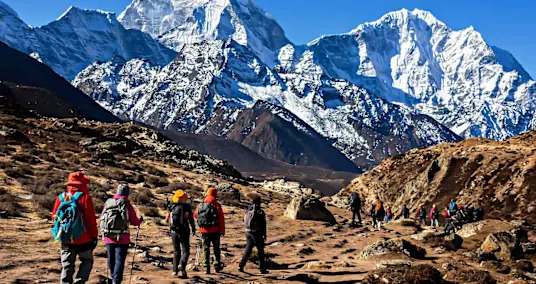
Reaching great heights of 10,000 feet, those who climb Mount Everest are often susceptible to altitude sickness—but Nepalese authorities found that the guides would purposefully put baking powder into climbers' food to mimic the common symptoms of altitude sickness, then feign the need for emergency services, the outlet reported, citing police.
Climbers were allegedly given diamox (Acetazolamide) tablets, which are used to treat and prevent altitude sickness, with "excessive" amounts of water, per the outlet.

Credit: Getty
"Altitude sickness is when your body doesn’t have time to adjust to lower oxygen availability higher up in the atmosphere," according to the Cleveland Clinic.

Credit: Zakir Hossain Chowdhury/Anadolu Agency via Getty
Never miss a story — sign up for PEOPLE's free daily newsletter to stay up-to-date on the best of what PEOPLE has to offer, from celebrity news to compelling human interest stories.
Helicopter companies, local hospitals and other organizations were also allegedly in on the scam, as the guides would falsify the need for emergency helicopter evacuations and further treatment, the Post reports. Era International Hospital allegedly took over $15.87 million, and Shreedhi International Hospital is alleged to have received over $1.22 million in connection with the falsified rescue operations, according to the outlet, citing the police investigation.
Mountain Rescue Service allegedly carried out 171 fraudulent rescues, which allowed it to collect $10.31 million from international insurance companies, according to the Post. Nepal Charter Service allegedly raked in $8.2 million for its part in the scheme, with Everest Experience and Assistance linked to $11.04 million in insurance claims, the outlet reports, citing police.
PEOPLE has reached out to Nepalese authorities for comment.
Read the original article on People
LATEST POSTS
- 1
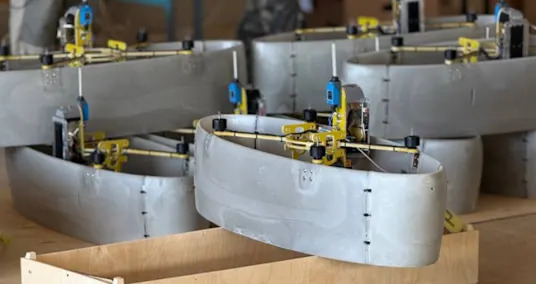
 Russia’s New KVS Drone May Be Designed To Restore Reach In The FPV War
 - 2Instructions to Explore the Therapy Choices for Cellular breakdown in the lungs
- 3Getting ready for a Mechanized World: 10 Positions That computer based intelligence Could Dominate
- 4Orbán orders stop to gas deliveries to Ukraine via Hungary from July
- 5German gas price bill signed into law, but consumers not impressed


- Upgrading the Healthy benefit of Your Local Vegetables
- The most effective method to Settle on Informed Conclusions about Senior Insuranc.
- I work with companies to confront addiction in the workplace. The hidden crisis is costing corporate America millions.
- Turning into a Distributed Writer: My Composing Process
- Without evidence, CDC changes messaging on vaccines and autism
- Qantas and Virgin Australia Ban Power Bank Usage on Flights Following Safety Incidents
- Step by step instructions to Guarantee Your Fender bender Legal counselor has Areas of strength for a Record
- Are your hormones imbalanced? Doctors explain how to know if you need testing
- Keep It Cool: Uncovering Famous Fridge Brands for Each Home


